Tina Sullivan · 11 September 2026
Decoding the Interplay Between User Engagement Metrics and Long-Term Site Authority in Dynamic Web Environments
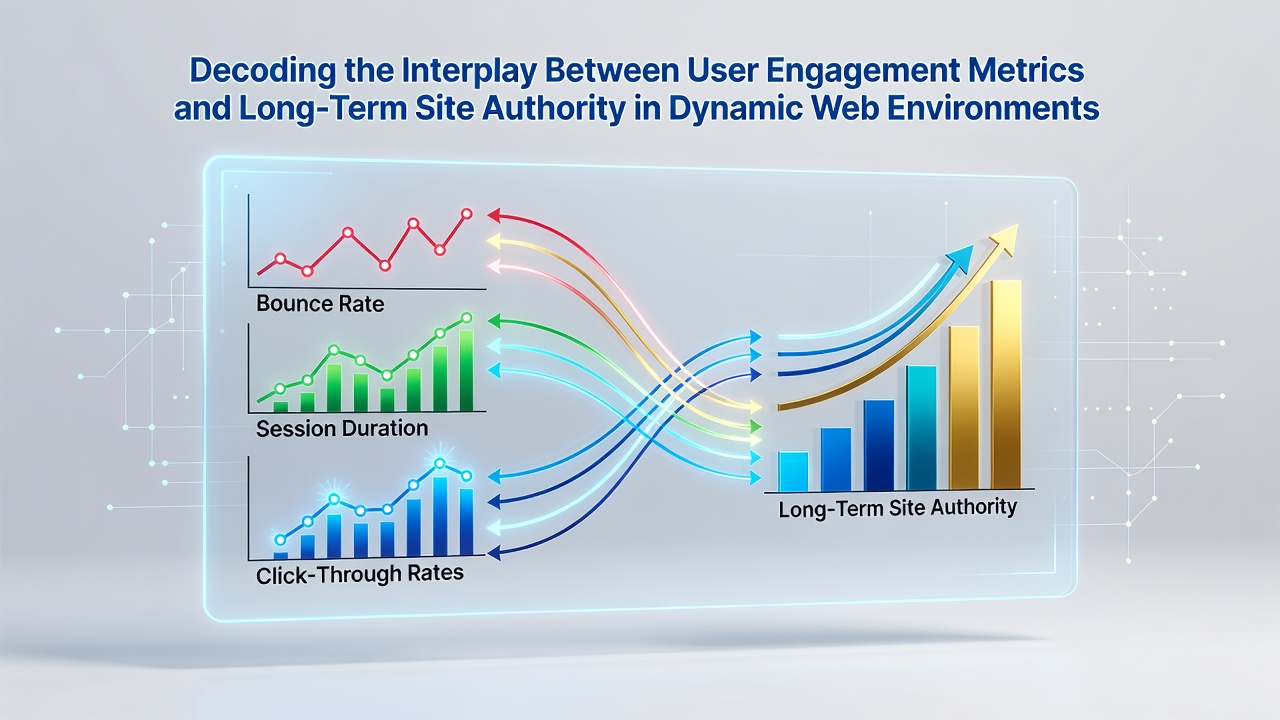
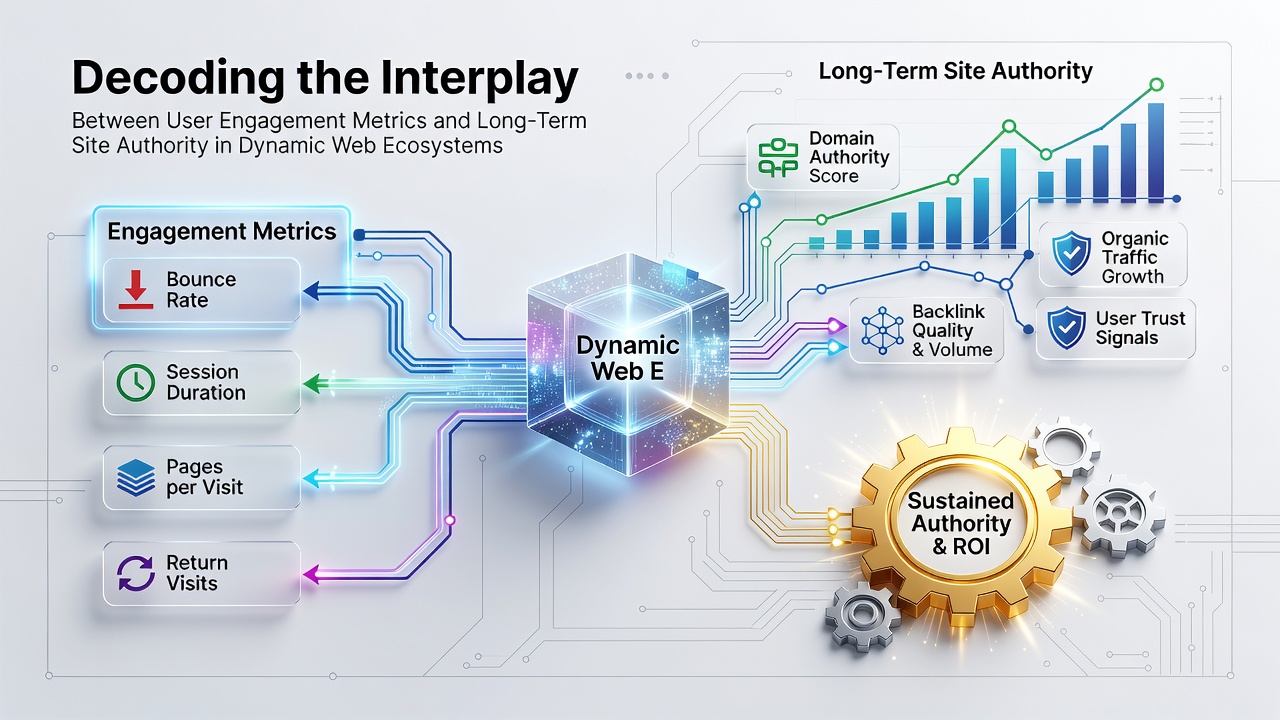
Researchers have tracked how user engagement metrics such as session duration, page views per visit, and return frequency interact with long-term site authority signals across constantly shifting web platforms, and data from multiple studies indicate that these elements influence each other through feedback loops rather than operating in isolation. Observers note that dynamic web environments, characterized by frequent algorithm adjustments and content personalization, require ongoing analysis of both engagement patterns and authority indicators to understand ranking stability over extended periods.
Defining Core Engagement Metrics in Modern Web Contexts
Engagement metrics encompass measurable user behaviors including click-through rates, scroll depth, and interaction events, while site authority refers to accumulated signals like backlink quality, content consistency, and domain-level trust factors that search systems evaluate over time. Studies show these metrics shift rapidly when platforms introduce new features such as accelerated mobile pages or enhanced personalization engines, and figures reveal that sites maintaining steady engagement levels tend to preserve authority scores even after major infrastructure changes.
Analysts have documented cases where reduced bounce rates correlated with sustained improvements in domain rating systems, yet the relationship strengthens only when combined with consistent content updates that match evolving user expectations. Data indicates that in environments where content refreshes occur weekly, engagement signals feed directly into authority calculations through machine learning models that weigh recent interactions more heavily than historical averages.
Authority Signals and Their Evolution Amid Platform Changes
Long-term site authority builds through accumulated references from external domains, internal linking structures, and user retention patterns that demonstrate sustained value, and researchers discovered that these signals adapt when web environments undergo transformations like mobile-first indexing or core algorithm refreshes. According to reports from the Pew Research Center on digital behavior trends, users spend varying amounts of time on sites depending on load speeds and relevance, which in turn affects how authority accumulates across different sectors.
Interconnections in Practice
One study revealed that pages with higher dwell times often receive preferential treatment in ranking systems because engagement data helps algorithms distinguish between superficial visits and meaningful interactions, while sites experiencing sharp drops in return visits see authority erosion even if backlink profiles remain stable. The reality is that dynamic elements such as real-time content recommendations create feedback where positive engagement reinforces authority, and weakened signals can trigger further declines unless addressed through targeted optimizations.
Experts have observed that seasonal fluctuations and external events can temporarily skew engagement numbers, yet long-term authority holds when underlying content quality and technical performance remain consistent, and data from academic sources like university-led web analytics projects confirm these patterns across thousands of monitored domains. Those who've studied this know that September 2026 marked a notable period when several major platforms released updated measurement frameworks that placed greater emphasis on multi-session engagement tracking, leading to revised authority assessments for numerous sites.
Challenges Presented by Dynamic Web Environments
Dynamic web environments introduce variables including A/B testing outcomes, personalized content delivery, and third-party script integrations that alter how engagement metrics are collected and interpreted, and analysts note that these factors complicate direct correlations with authority. Research indicates that sites relying on heavy personalization sometimes experience fragmented authority signals because different user segments generate divergent engagement data, which algorithms must reconcile before assigning stable rankings.
Figures reveal that technical issues such as increased latency during peak periods can suppress engagement without reflecting true content value, prompting developers to implement monitoring systems that separate transient disruptions from persistent patterns. What's interesting is how regulatory developments in regions like the European Union have encouraged greater transparency in data handling, allowing researchers to access aggregated engagement datasets that clarify authority relationships across borders.
Measurement Approaches and Analytical Tools
Professionals employ a range of analytical tools to quantify these interactions, including heat mapping software, cohort analysis platforms, and longitudinal tracking systems that capture changes over months or years, and evidence suggests that combining multiple data sources yields more reliable insights than isolated metric reviews. One case where experts found meaningful patterns involved e-commerce domains that maintained high engagement through streamlined navigation, resulting in stronger authority retention during algorithm shifts compared to competitors with similar backlink profiles but weaker user retention.
Academic research from institutions across North America and Australia has produced models showing that engagement velocity, or the rate at which interaction metrics improve or decline, serves as an early indicator of authority trajectory in dynamic settings. These models help predict how sites might respond to future platform updates by analyzing historical engagement-authority pairings under comparable conditions.
Conclusion
The interplay between user engagement metrics and long-term site authority continues to evolve as web technologies advance, with data showing that sustained monitoring and adaptive strategies support stability across changing conditions. Observers continue to examine how new measurement frameworks and regional policy shifts influence these dynamics, providing ongoing opportunities for deeper understanding through aggregated research findings and cross-platform comparisons.