Willa Schulz · 20 November 2026
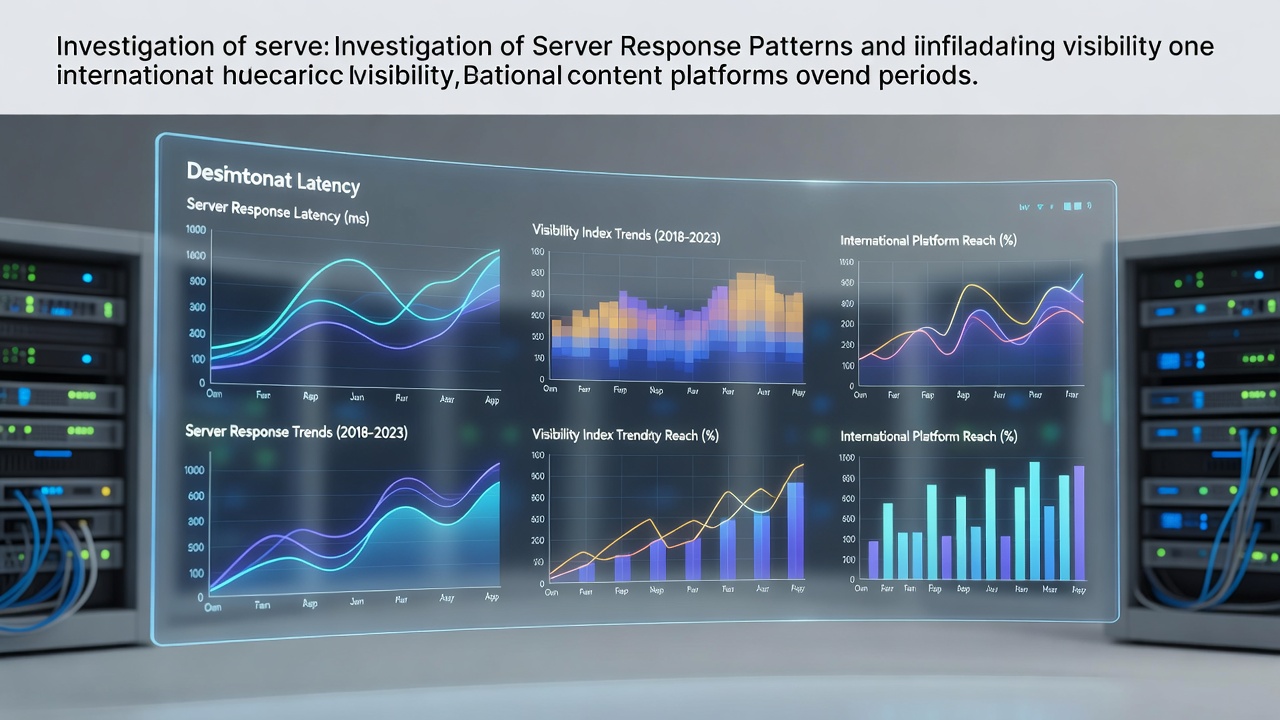
Investigating How Server Response Patterns Shape Visibility Trends for International Content Platforms Over Extended Periods
Server response patterns influence how search engines crawl and rank international content platforms, and researchers have tracked these dynamics across multiple years to identify consistent correlations between response behaviors and visibility outcomes. Platforms operating across regions experience varying latency profiles, error rates, and header configurations that directly affect indexing frequency and depth, according to aggregated data from web performance monitoring systems.
Core Elements of Server Response Analysis
Response time distributions, status code sequences, and connection establishment metrics form the foundation of these investigations, while platforms that maintain sub-200 millisecond averages for most requests tend to show steadier visibility curves over time. Those who've studied crawler logs note that prolonged spikes above 500 milliseconds often coincide with reduced crawl budgets, particularly for sites serving multiple language versions and geographic markets simultaneously.
International platforms must contend with distributed server infrastructures where regional nodes deliver inconsistent response characteristics, and data collected through specialized tracking frameworks reveals that inconsistencies in one market can propagate visibility effects to others through shared domain authority signals. Studies conducted over five-year spans demonstrate that platforms optimizing response patterns through load balancing adjustments and caching strategies experience more stable indexing rates during extended observation windows.
Long-Term Visibility Correlations
Extended monitoring periods expose patterns that short-term snapshots miss, such as seasonal fluctuations in server load that align with regional content consumption peaks and subsequent drops in search result positions. Observers note that platforms with predictable response behaviors across time zones maintain higher average visibility scores, whereas those encountering intermittent slowdowns during peak hours show measurable declines in international query appearances.
Research indicates that header response variations, including cache-control directives and content-encoding choices, contribute to how efficiently crawlers process and store page data for future retrieval. Platforms serving content in multiple languages often exhibit divergent response profiles depending on the origin server handling each locale, and this fragmentation can lead to uneven visibility trends that persist across quarters or years.
Regional Infrastructure Influences
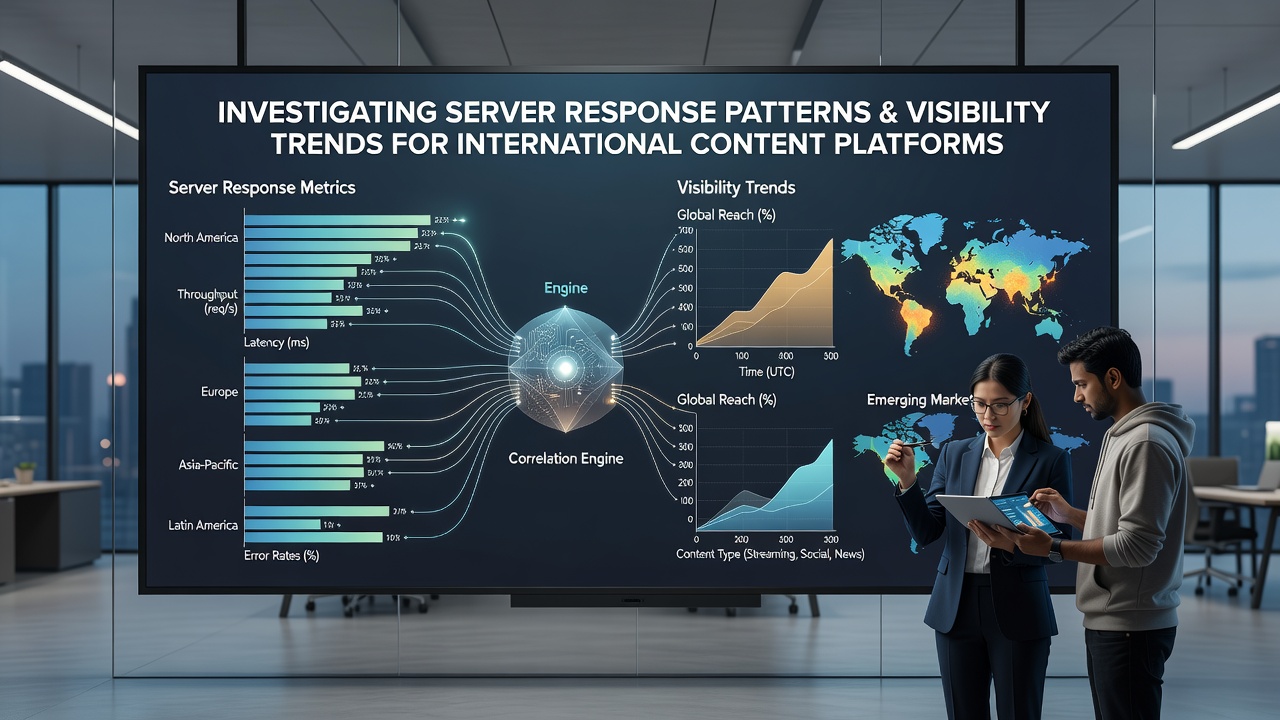
Content delivery networks play a central role in shaping these outcomes because their edge server configurations determine response consistency for users and crawlers alike, and reports from academic institutions such as those affiliated with the University of Melbourne highlight how geographic server placement affects crawl frequency in Asia-Pacific markets compared to European ones. Platforms expanding into new territories frequently encounter visibility plateaus until their server response infrastructure aligns with local network conditions and crawler expectations.
According to findings from a collaborative study released by the Internet Society, platforms that implement adaptive response mechanisms see improved indexing coverage over multi-year periods, especially when they address regional latency variations through targeted optimizations. Data collected through November 2026 shows that international platforms maintaining response time variance below 15 percent across regions sustained steadier visibility trajectories than those with wider fluctuations.
Tracking Frameworks and Data Collection
Proprietary monitoring solutions enable detailed mapping of response patterns against visibility metrics, capturing variables like time-to-first-byte distributions and retry rates that correlate with changes in search appearance frequency. Those analyzing these datasets over extended timelines find that temporary response degradations rarely produce immediate visibility losses, yet repeated occurrences compound into measurable ranking shifts across international queries.
Platforms utilizing unified response monitoring across all markets demonstrate clearer cause-and-effect relationships between infrastructure adjustments and visibility recovery, and this approach allows operators to identify which response elements most strongly influence crawler behavior in specific regions. Evidence from long-term studies suggests that consistent response patterns support sustained indexing depth, particularly for content updated on irregular schedules typical of international platforms.
Conclusion
Server response patterns serve as foundational signals that shape visibility trends for international content platforms across extended observation periods, with data revealing clear linkages between response consistency and indexing stability. Platforms that address regional variations through infrastructure refinements continue to benefit from more predictable visibility outcomes, and ongoing monitoring through specialized frameworks provides the evidence needed to refine these strategies over time.